
Choosing the right cancer hospital is one of the most important decisions a patient and their family may face after a cancer diagnosis. India has developed a large network of specialized cancer centers that provide advanced diagnostic services, surgery, chemotherapy, radiation therapy, immunotherapy, targeted treatments, and supportive care.
The best cancer hospital for a particular patient depends on several factors, including the type and stage of cancer, the required treatment, specialist expertise, available technology, location, and overall treatment costs. Rather than relying only on online rankings, patients should consider the hospital’s experience with their specific type of cancer and discuss treatment options with qualified oncology specialists.
Below are some of the leading cancer hospitals and cancer-care institutions in India that patients may consider when researching treatment options.
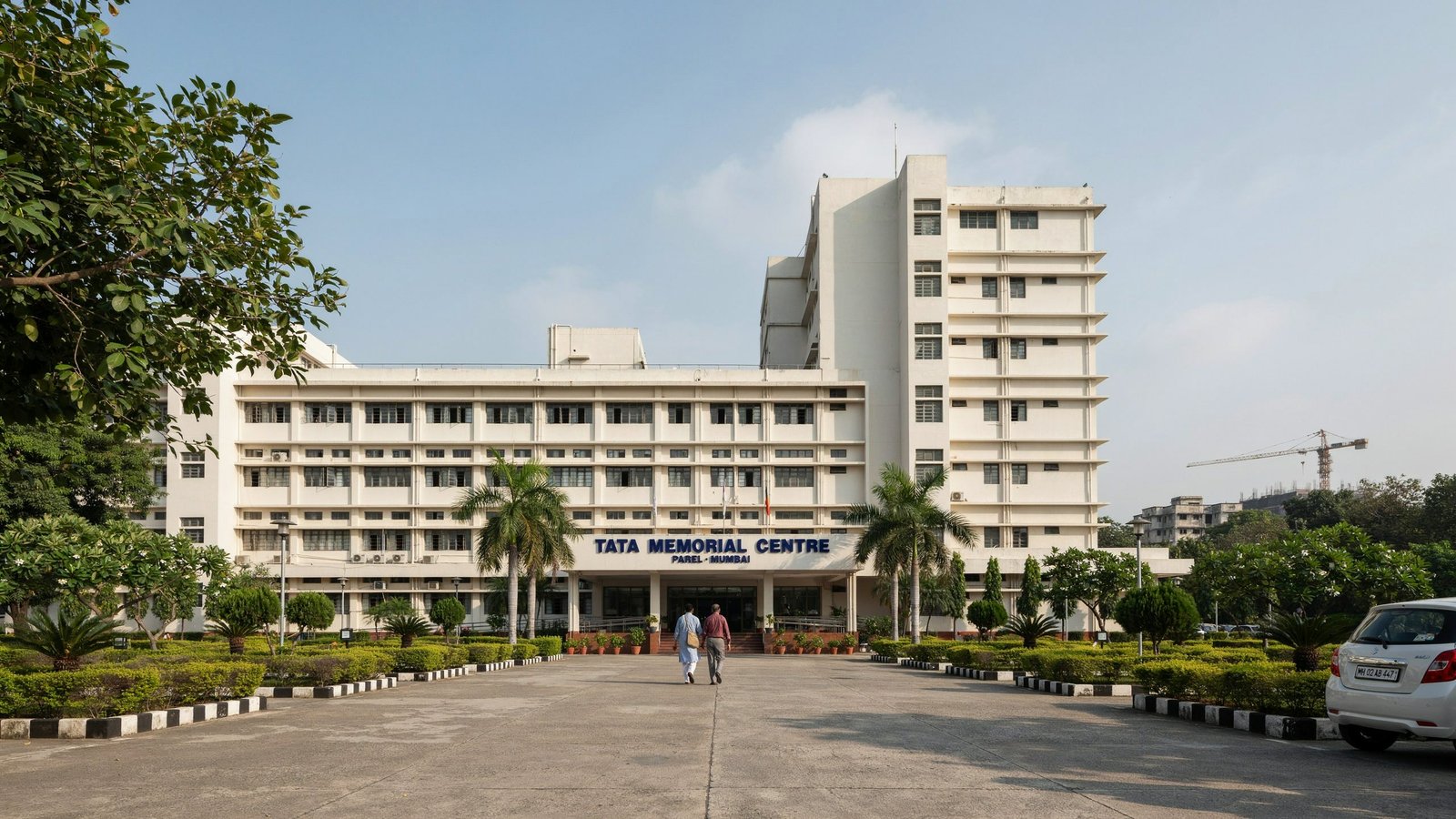
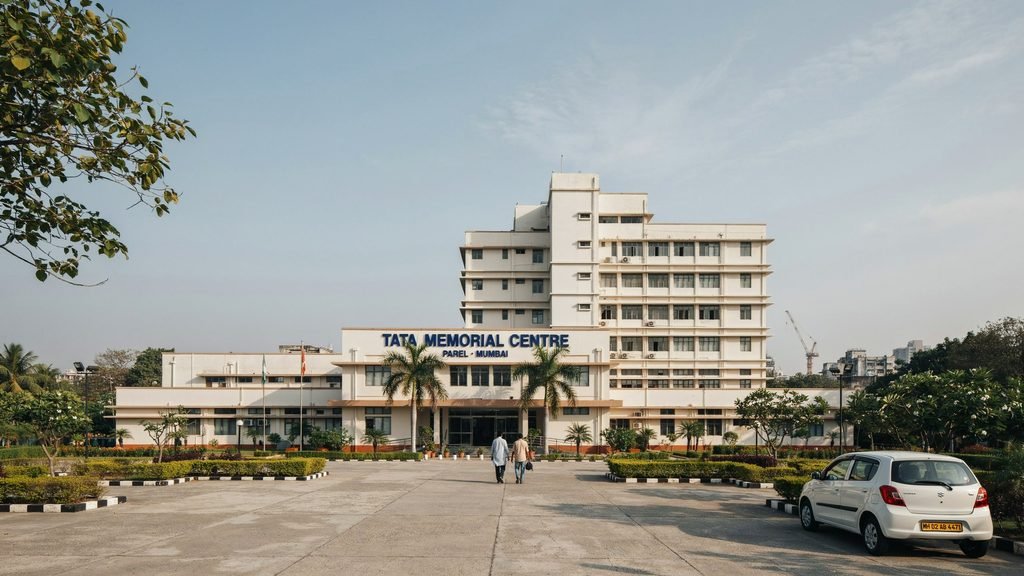
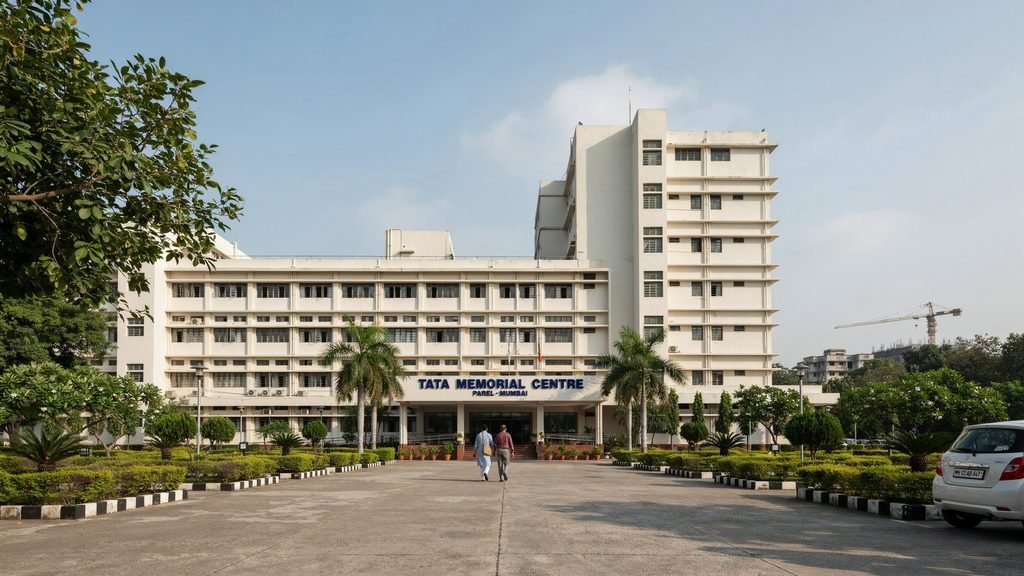
1. Tata Memorial Centre, Mumbai
Tata Memorial Centre (TMC) is one of India’s most established institutions dedicated to cancer treatment, research, and education. Its main center, Tata Memorial Hospital in Mumbai, has long been associated with comprehensive cancer care.
The institution provides services across multiple areas of oncology and is involved in cancer research and medical education. It also operates and supports cancer-care facilities in different parts of India.
Patients considering Tata Memorial Centre should check the current appointment process, eligibility requirements, treatment availability, and waiting times before planning their visit.
ALSO CHECK: Top AI Tools You Should Try in 2026
2. Apollo Cancer Centres
Apollo Cancer Centres is a major private cancer-care network with facilities in several Indian cities. Its oncology services cover medical oncology, surgical oncology, radiation oncology, and other specialized areas of cancer care.
Depending on the hospital and diagnosis, patients may have access to chemotherapy, immunotherapy, targeted therapy, hormone therapy, radiation treatment, cancer surgery, and advanced diagnostic services.
Apollo Cancer Centres also uses multidisciplinary approaches in which specialists from different oncology fields can review complex cases and develop treatment strategies.
For patients looking for private cancer care with access to multiple specialties, Apollo may be one of the institutions worth researching.
3. All India Institute of Medical Sciences (AIIMS)
AIIMS is one of India’s leading public medical institutions and is known for specialized healthcare, medical education, and research.
The AIIMS system includes oncology-related services and specialist departments, with AIIMS New Delhi being one of the country’s best-known medical institutions.
Treatment availability and appointment procedures can vary, so patients should consult the official AIIMS information for the relevant campus and department.
One advantage of a major academic medical center is the combination of specialist care, medical research, and teaching. However, patients should also consider appointment availability and the practical requirements of receiving long-term treatment at a large public institution.
4. HCG Cancer Centres
HCG Cancer Centres is a cancer-focused healthcare network with hospitals in multiple Indian cities. The group specializes in oncology and provides a range of cancer diagnosis and treatment services.
Depending on the location, services can include medical oncology, surgical oncology, radiation oncology, pathology, imaging, and supportive cancer care.
HCG may be worth considering for patients who want access to an oncology-focused hospital network. Since facilities and services can differ between individual centers, it is important to verify the specific treatment options available at the hospital being considered.
5. Adyar Cancer Institute, Chennai
Cancer Institute (WIA), commonly known as Adyar Cancer Institute, is a prominent cancer institution located in Chennai, Tamil Nadu.
The institute has played an important role in cancer treatment, research, education, and community-focused cancer care. It is particularly well known for its long history in oncology.
Patients considering the institute should review its current departments, appointment procedures, treatment availability, and other requirements before visiting.
6. Rajiv Gandhi Cancer Institute and Research Centre, Delhi
Rajiv Gandhi Cancer Institute and Research Centre is a specialized cancer hospital in New Delhi providing a broad range of oncology services.
Its services cover areas such as medical oncology, surgical oncology, radiation oncology, diagnostics, and other cancer-related specialties.
A specialized cancer hospital can be useful for patients who need coordinated care from multiple oncology departments. Patients should discuss their individual diagnosis with the hospital’s medical team to determine which services are appropriate.
7. Christian Medical College, Vellore
Christian Medical College (CMC), Vellore, is a major medical institution known for healthcare, education, and research.
Its cancer-related services are supported by specialists from multiple medical disciplines. Patients with complex conditions may benefit from access to a large multidisciplinary medical environment.
Because CMC provides a wide range of medical services beyond oncology, patients should contact the relevant department to understand the available cancer treatment options for their particular diagnosis.
What Should You Look for in a Cancer Hospital?
Choosing a cancer hospital should involve more than comparing names or internet rankings. Several factors can help patients make a more informed decision.
Experience With Your Type of Cancer
Cancer is not a single disease. Breast cancer, lung cancer, blood cancers, prostate cancer, colorectal cancer, and other cancers can require very different approaches.
Look for a hospital with specialists and facilities appropriate for the specific diagnosis.
Multidisciplinary Cancer Care
Cancer treatment may involve several specialists. Depending on the case, a treatment team can include medical oncologists, surgical oncologists, radiation oncologists, pathologists, radiologists, genetic specialists, and supportive-care professionals.
A hospital that can coordinate these specialties may make it easier to manage complex treatment plans.
Diagnostic and Treatment Facilities
Accurate diagnosis and staging are essential for developing an appropriate treatment strategy.
Patients may need imaging, biopsy, pathology testing, molecular testing, or other investigations depending on the type of cancer.
Hospitals may also offer different radiation technologies, surgical techniques, and systemic treatments. However, advanced technology is not automatically necessary for every patient. The treating specialist should determine which options are clinically appropriate.
Cost and Insurance
Cancer treatment can be expensive, and costs can vary significantly depending on the diagnosis and treatment plan.
Before starting treatment, patients should request an estimated treatment cost and ask about consultation fees, diagnostic tests, hospitalization, medicines, surgery, radiation therapy, and follow-up visits.
Patients with health insurance should also confirm which treatments and services are covered by their policy.
Location and Follow-Up Care
Cancer treatment can require multiple visits over an extended period. For this reason, the hospital’s location can be an important practical consideration.
Patients should also consider accommodation, transportation, family support, emergency services, and follow-up arrangements when choosing a cancer center.
Why a Second Opinion Can Be Helpful
A second medical opinion is often considered when a patient wants additional information about a diagnosis or treatment plan.
Another qualified oncology team may provide additional perspective on the diagnosis, available treatment options, or the recommended approach.
However, patients should not unnecessarily delay urgent treatment. The appropriate timing for a second opinion depends on the specific diagnosis and medical circumstances.
Questions to Ask Your Cancer Specialist
Before beginning treatment, patients may want to discuss the following questions with their medical team:
- What type and stage of cancer has been diagnosed?
- What treatment options are available?
- What is the goal of the recommended treatment?
- Are additional tests required?
- Which specialists will be involved in my treatment?
- What are the potential side effects?
- How long might treatment take?
- What follow-up care will be required?
- What will the estimated treatment cost be?
- Would seeking a second medical opinion be appropriate?
Taking notes during consultations can help patients and families understand their treatment plan and remember important information.
Final Thoughts
India has several established cancer hospitals and specialized oncology centers offering comprehensive cancer-care services. Tata Memorial Centre, Apollo Cancer Centres, AIIMS, HCG Cancer Centres, Adyar Cancer Institute, Rajiv Gandhi Cancer Institute and Research Centre, and Christian Medical College are among the institutions patients may research when considering cancer treatment.
There is no universal “best” cancer hospital for every patient. The right choice depends on the cancer type, stage, required treatment, specialist expertise, available facilities, cost, location, and the patient’s individual needs.
Before making a treatment decision, patients should consult qualified oncology professionals and verify current information directly with the hospital. Online rankings and general articles can help with initial research, but they should not replace professional medical advice.
Disclaimer: This article provides general health information for educational purposes and is not a substitute for professional medical advice, diagnosis, or treatment. Cancer treatment decisions should be made in consultation with qualified healthcare professionals.
1 thought on “Top Cancer Hospitals in India In 2026: Leading Cancer Care Centers to Consider”